Exploring the Sacred Heart of Jerusalem’s Timeless Wonders
A Journey Through Faith, History, and Divine Beauty
Jerusalem, one of the world’s most spiritually significant cities, stands as a bridge between ancient history and eternal faith. For centuries, it has drawn pilgrims, scholars, and travelers seeking to walk in the footsteps of prophets, kings, and saints. Among its many sacred landmarks, the Church of the Holy Sepulchre Jerusalem and the panoramic view of Jerusalem from the Mount of Olives remain two of the most profound experiences any visitor can encounter. Together, they encapsulate the city’s soul—a fusion of devotion, history, and divine presence.
The Church of the Holy Sepulchre: The Heart of Christianity
Hidden within the winding alleys of Jerusalem’s Old City lies one of Christianity’s most sacred places—the Church of the Holy Sepulchre Jerusalem. Revered by millions, this ancient site marks the location believed to be both the crucifixion and resurrection of Jesus Christ. For believers around the world, it is not merely a church; it is a symbol of faith, redemption, and eternal hope.
The church, first constructed in the 4th century by Emperor Constantine the Great, stands atop Golgotha, the hill of the Crucifixion. Inside, its walls echo with centuries of devotion. Pilgrims from every corner of the globe kneel before the Stone of Anointing, touch the tomb where Jesus is said to have risen, and light candles as symbols of prayer and peace.
The architecture of the church reflects the layers of history—Roman, Byzantine, Crusader, and modern restorations—all interwoven like threads in a divine tapestry. Every stone tells a story: of faith tested, preserved, and reborn through centuries of turmoil and renewal.
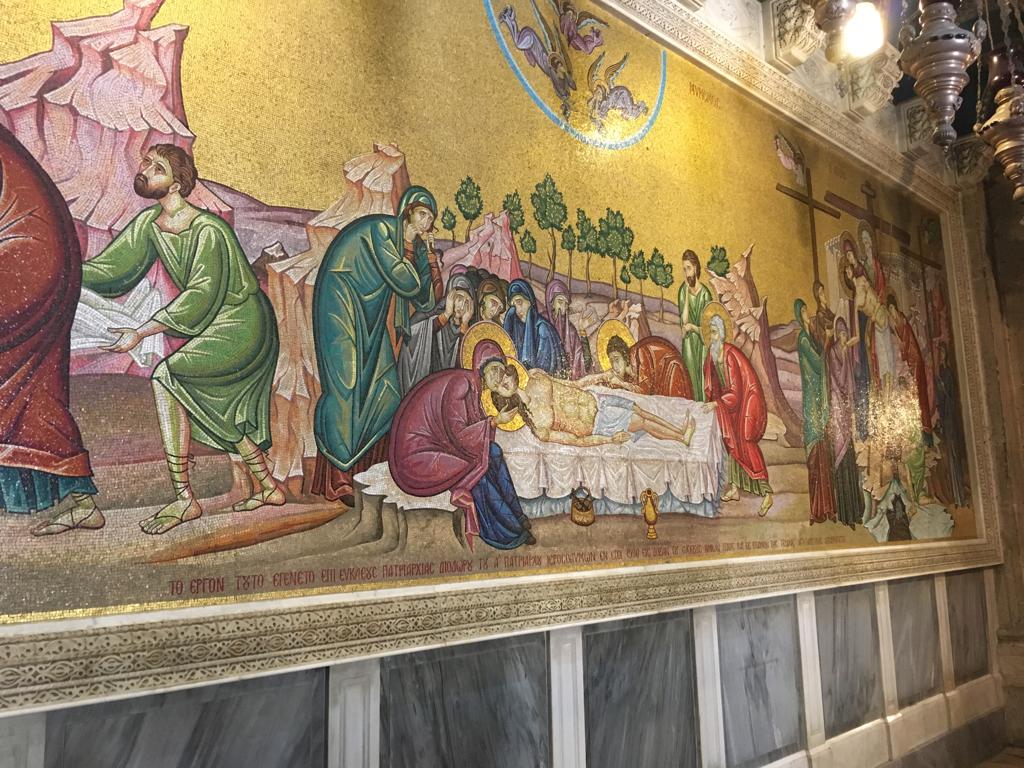
Experiencing the Spiritual Depth of the Holy Sepulchre
Visiting the Church of the Holy Sepulchre Jerusalem is a deeply personal experience. The air is filled with the scent of incense, the sound of prayers in multiple languages, and the soft glow of flickering candles. Each corner reveals a sacred moment—from the Chapel of Calvary, where Jesus was nailed to the cross, to the Holy Edicule, housing the Tomb of Christ.
For pilgrims, the church is more than a monument; it’s a place of transformation. To stand within its ancient walls is to feel connected to something eternal—to history, to faith, and to the divine story that changed the world.
The Mount of Olives: A Sacred View of Eternity
Just across the Kidron Valley lies one of the most breathtaking vantage points in the world—the Jerusalem from the Mount of Olives panorama. This sacred hill offers not just a view, but an experience of awe and reflection. From here, the golden Dome of the Rock, the ancient walls of the Old City, and the timeless sprawl of Jerusalem unfold in magnificent harmony.
For believers and visitors alike, the Mount of Olives holds deep spiritual meaning. It is the place where Jesus wept over Jerusalem, where He prayed before His arrest in the Garden of Gethsemane, and where, according to tradition, He ascended into heaven. Walking through this area feels like traversing the pages of the Bible itself—each step a reflection of divine history.
A Place Where Heaven Meets Earth
Seeing Jerusalem from the Mount of Olives provides a perspective unlike any other. The early morning light casts a golden hue across the city’s ancient stones, while at sunset, the sky glows in shades of amber and rose. From this elevated view, one can sense why Jerusalem has been called the city of peace, despite its complex history.
Pilgrims often pause here to pray, meditate, or simply breathe in the serenity of the landscape. The view encapsulates not just the city’s beauty but its spirit—the unbroken bond between heaven and earth.
Walking the Pilgrim’s Path
For many, visiting Jerusalem is more than tourism—it’s a pilgrimage of the heart. To journey from the Mount of Olives into the Old City, through the Via Dolorosa, and finally to the Church of the Holy Sepulchre Jerusalem, is to trace the final footsteps of Jesus Christ. It’s a walk through time and faith, connecting the sacred sites that have inspired devotion for over two millennia.
Along the way, pilgrims encounter olive trees that have stood for centuries, ancient tombs carved into limestone, and chapels marking key moments in the Passion story. Each site adds another layer of understanding to the story of redemption and resurrection.
The Timeless Allure of Jerusalem
Jerusalem’s beauty lies not only in its sacred sites but also in its diversity. The city harmonizes the spiritual traditions of Judaism, Christianity, and Islam, making it a symbol of coexistence and faith. Its narrow streets buzz with energy, filled with pilgrims, scholars, and travelers drawn by the same eternal light.
For those visiting, the experience is both humbling and uplifting—a reminder of humanity’s shared search for meaning, peace, and divine truth. Whether you’re viewing Jerusalem from the Mount of Olives or lighting a candle in the Holy Sepulchre, the sense of connection to something greater than oneself is undeniable.
Conclusion
To explore Jerusalem is to journey through the heart of faith itself. From the sacred halls of the Church of the Holy Sepulchre Jerusalem to the serene majesty of Jerusalem from the Mount of Olives, each site reveals the city’s profound spiritual legacy. For travelers seeking a guided, meaningful, and enriching pilgrimage, holylandviptours.net offers expert tours that bring these sacred stories to life, turning every visit into an unforgettable encounter with history, faith, and the divine.


Comments
Post a Comment