Discover Sacred Christian Heritage Across Historic Holy Land
Kafr Kanna and Its Enduring Biblical Heritage
Travel through the Holy Land offers an opportunity to explore places where biblical traditions, ancient communities, and Christian heritage have shaped generations of visitors. Among the remarkable destinations of northern Israel is Kafr Kanna Israel a town traditionally associated with Cana of Galilee and the biblical account of Jesus turning water into wine. Its spiritual importance, peaceful atmosphere, and connection to the life of Jesus make it an intriguing destination for pilgrims and travelers seeking meaningful experiences beyond the most famous landmarks.
Kafr Kanna is located near Nazareth in the Galilee region, an area known for its beautiful landscapes and deep biblical associations. Christian tradition identifies the town with Cana, where the Gospel of John describes the first public miracle of Jesus. The story of the wedding at Cana has given the location a special place in Christian heritage. Visitors can explore churches and religious landmarks connected with this tradition while experiencing the character of a living community that continues to welcome pilgrims.
Exploring the Story of Cana
The story of Cana is particularly significant because it represents an important moment in the Gospel narrative. According to Christian tradition, Jesus attended a wedding celebration with his mother and disciples. When the celebration ran out of wine, Jesus instructed servants to fill several stone jars with water. The water was then transformed into wine, an event described as the first sign performed by Jesus in the Gospel of John.
For Christian visitors, this story can provide a deeper understanding of the spiritual traditions associated with the region. The churches of Kafr Kanna preserve memories of this biblical account and offer spaces for prayer, reflection, and worship. Couples may also find special meaning in visiting Cana because of its association with marriage and commitment.
A Living Community With Ancient Connections
One of the appealing aspects of Kafr Kanna is that it is not simply an archaeological site. It is a living town where religious traditions, local culture, and everyday life exist alongside places of pilgrimage. Walking through the area allows travelers to experience a destination that connects historical traditions with the present.
The surrounding Galilee region further enhances the experience. Rolling hills, agricultural landscapes, and historic towns create an environment that feels distinct from the busy urban centers of Israel. Visitors who take time to explore the area can discover how geography, culture, and religious history have interacted throughout the centuries.
Nazareth and the Galilee Pilgrimage Experience
Kafr Kanna can be incorporated into a broader pilgrimage through northern Israel. Nearby Nazareth is closely associated with the childhood and early life of Jesus, while other Galilean locations connect visitors with stories from the Gospels. Traveling between these destinations creates an opportunity to understand the geographical setting behind familiar biblical narratives.
The journey can also be rewarding for travelers interested in history beyond religious traditions. The Galilee has been home to diverse communities and has witnessed the development of civilizations and religious movements over many centuries. Exploring its towns and landscapes adds historical context to the spiritual experience.
Jerusalem and the Depth of Christian History
While northern Israel provides important connections to the ministry of Jesus, Jerusalem offers another dimension of Christian heritage. The city contains numerous locations associated with events described in the New Testament and centuries of Christian pilgrimage. Its historic streets, ancient walls, churches, and archaeological remains provide a remarkable setting for understanding the development of Christianity.
A journey to Jerusalem can therefore complement a visit to Kafr Kanna. Whereas Cana is particularly connected with the beginning of Jesus' public signs, Jerusalem is associated with some of the most significant events of the Passion narrative. Together, these destinations allow visitors to explore different chapters of Christian tradition within their geographical settings.
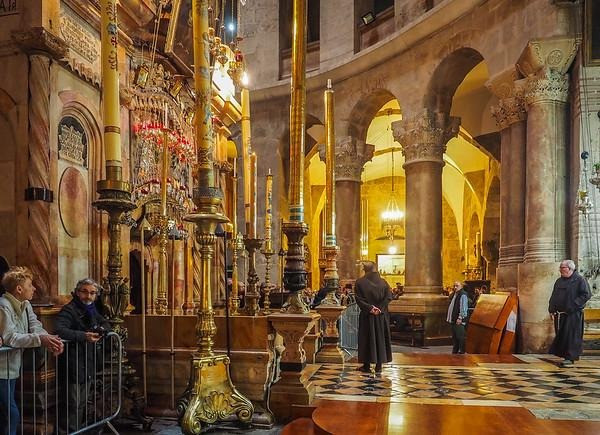
Visiting the Church of St Peter in Gallicantu
Among Jerusalem's meaningful Christian landmarks is the church of st peter in gallicantu traditionally associated with the story of Peter's denial of Jesus. The name Gallicantu comes from the Latin expression connected with the crowing of the rooster, recalling the Gospel accounts in which Jesus predicted that Peter would deny knowing him before the rooster crowed.
The church stands on Mount Zion and is associated with a location traditionally connected to the house of the high priest Caiaphas. Visitors can encounter religious artwork, architectural features, and views across parts of Jerusalem while reflecting on the powerful themes represented by the site. The church's connection with Peter's story makes it especially significant for visitors interested in the human dimensions of the Gospel narrative, including faith, fear, regret, and renewal.
Reflecting on Peter's Story in Jerusalem
The story connected with the church is more than an account of a historical moment. For many Christians, Peter's denial and subsequent restoration represent themes of weakness, repentance, forgiveness, and renewed faith. These ideas can make a visit deeply personal, particularly for pilgrims who use their journey as a time for prayer and contemplation.
The setting also contributes to the experience. Jerusalem's ancient landscape surrounds the church with layers of history, allowing visitors to consider how the city's physical environment has evolved while its religious significance has remained powerful. The combination of biblical tradition and historic surroundings makes this part of Jerusalem particularly memorable.
Creating a Meaningful Holy Land Journey
A well-planned Holy Land itinerary can connect destinations according to their biblical and historical themes. Beginning in the Galilee allows travelers to explore locations traditionally associated with the early life and ministry of Jesus. Continuing toward Jerusalem then introduces visitors to sites connected with later events and the development of Christian pilgrimage traditions.
Travelers can also balance religious visits with cultural and historical exploration. Local markets, archaeological sites, traditional neighborhoods, and regional landscapes provide additional perspectives on the places they visit. Such an approach can transform a sightseeing trip into a broader journey through history, faith, architecture, and culture.
Conclusion
The Holy Land offers countless opportunities to connect familiar biblical stories with real landscapes and historic communities. From the traditions surrounding Cana and Kafr Kanna to the reflective atmosphere of the Church of St. Peter in Gallicantu, each destination provides a different perspective on Christian heritage. Exploring these places with time for reflection can make a pilgrimage more meaningful and memorable. For travelers seeking thoughtfully arranged experiences across these remarkable destinations, holylandviptours.net can be part of planning a journey through the historic and spiritual landscapes of Israel.


Comments
Post a Comment