Discover the Spiritual Heart of the Holy Land
Some destinations are visited for their scenery, history, or culture, while others are experienced on a much deeper level. The Holy Land belongs to the second category. For Christians, traveling through this remarkable region can feel like stepping into the pages of Scripture and discovering the places associated with some of the most meaningful events in biblical history.
From ancient streets and sacred churches to peaceful landscapes and historic towns, every destination offers an opportunity to reflect, learn, and reconnect with faith. Carefully planned holy land tours allow travelers to experience these locations while gaining a greater appreciation for the stories, traditions, and people that have shaped Christianity for centuries.
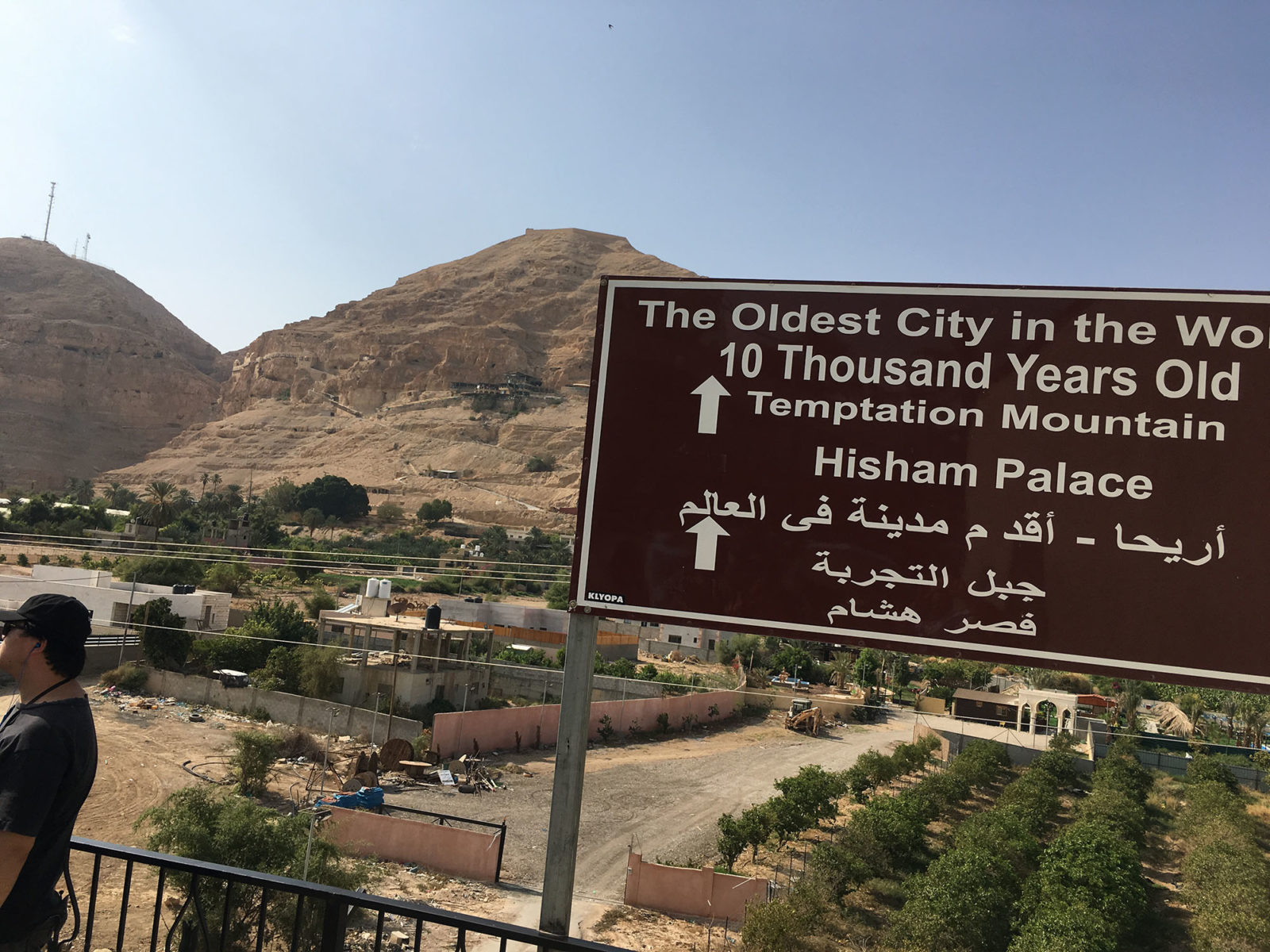
Walking Through Jerusalem’s Sacred History
Jerusalem is at the center of many Christian journeys. The city's ancient streets bring together thousands of years of religious and cultural history, making it one of the world's most fascinating destinations for spiritual travelers.
Visitors can explore locations connected with the final days of Jesus, including the Old City and important Christian landmarks. Walking through these historic surroundings can transform familiar biblical stories into something much more tangible. Instead of simply reading about ancient events, travelers can experience the atmosphere of places where generations of pilgrims have prayed and reflected.
This is one reason christian tours in jerusalem are especially meaningful. A well-organized visit can combine historical understanding with moments of quiet reflection, allowing travelers to appreciate Jerusalem without feeling rushed from one attraction to another.
Experiencing the Church of the Holy Sepulchre
Among Jerusalem's most significant Christian landmarks is the Church of the Holy Sepulchre. Traditionally associated with the crucifixion, burial, and resurrection of Jesus, the church holds profound importance for Christians around the world.
Entering this historic sanctuary can be an emotional experience. Its chapels, religious artwork, stone surfaces, and centuries-old traditions reflect the long history of Christian pilgrimage. Visitors may spend time in prayer, observe religious ceremonies, or simply contemplate the significance of the location.
The experience is not only about sightseeing. For many pilgrims, it provides an opportunity to pause and consider the central themes of Christianity: sacrifice, hope, forgiveness, and resurrection.
Bethlehem and the Story of Christ’s Birth
A Christian pilgrimage to the Holy Land would not feel complete without visiting Bethlehem. Known as the traditional birthplace of Jesus, this ancient city has been a destination for Christian pilgrims for generations.
The Church of the Nativity stands as one of its most important landmarks. The surrounding streets and religious sites provide a fascinating glimpse into the region's history and continuing spiritual traditions.
For travelers, Bethlehem offers a different atmosphere from Jerusalem. Its connection to the Nativity story encourages visitors to reflect on the beginning of Jesus' earthly life and the message of hope associated with his birth.
Exploring Galilee and Biblical Landscapes
The northern regions of the Holy Land offer another dimension to a Christian pilgrimage. Galilee is closely connected with the ministry of Jesus and contains landscapes that help travelers understand the geographical setting of many biblical accounts.
The Sea of Galilee is particularly memorable. Its peaceful waters and surrounding hills create a natural setting for reflection. Visitors may explore locations associated with Jesus' ministry, including areas traditionally connected with teachings, miracles, and encounters described in the Gospels.
Seeing these landscapes in person can add valuable context to Scripture. Geography becomes part of the story, helping travelers visualize the environment in which important biblical events unfolded.
Why Guided Pilgrimage Can Be Meaningful
Planning a journey through multiple historic and religious sites can be challenging without local knowledge. Distances, opening schedules, historical context, transportation, and time management can all affect the quality of a pilgrimage.
A thoughtfully organized tour can make the experience smoother. Knowledgeable guides can explain the background of individual sites, describe their religious significance, and help travelers understand how different locations fit into the larger biblical narrative.
This is particularly valuable for first-time visitors. Rather than concentrating solely on photographs and sightseeing, travelers can focus on learning, reflection, and meaningful experiences.
Creating Personal Moments of Reflection
A pilgrimage does not have to be defined entirely by a packed itinerary. Some of the most memorable moments can happen during quiet periods between major destinations.
A peaceful church service, a few minutes of personal prayer, or a reflective walk through an ancient street can become an important part of the journey. Travelers may also find opportunities to connect with fellow pilgrims and share personal experiences.
The Holy Land has a way of encouraging visitors to slow down and think about what faith means in their everyday lives. That personal dimension can make a pilgrimage more memorable long after the journey has ended.
Planning a Meaningful Christian Journey
Before traveling, pilgrims should consider the destinations that matter most to them. Some may want to concentrate on Jerusalem and Bethlehem, while others may prefer a broader itinerary that includes Galilee, Nazareth, the Jordan River, and other historically significant locations.
It is also useful to consider the pace of the journey. A schedule that allows sufficient time at important sites can be more rewarding than attempting to visit too many places in a short period.
Comfort, transportation, accommodation, and knowledgeable guidance should also be considered when selecting a pilgrimage experience. Good planning allows travelers to spend less time worrying about logistics and more time appreciating the spiritual significance of their surroundings.
Carrying the Experience Home
The value of a Christian pilgrimage does not necessarily end when the traveler leaves the Holy Land. Memories of ancient churches, biblical landscapes, peaceful moments, and shared prayers can remain meaningful for years.
Many travelers return home with a renewed desire to read Scripture, deepen their faith, or share their experiences with family and friends. The journey can become more than a vacation; it can serve as an opportunity for personal reflection and spiritual growth.
For anyone considering a pilgrimage, the Holy Land offers a rare combination of history, faith, culture, and unforgettable landscapes. With thoughtful planning and an open heart, every destination can contribute something meaningful to the journey.
Conclusion
A journey through Jerusalem, Bethlehem, Galilee, and other biblical destinations offers travelers an opportunity to experience Christian history in a deeply personal way. From sacred churches to ancient landscapes, the Holy Land invites visitors to explore familiar stories from a new perspective. With carefully planned itineraries, respectful guidance, and time for reflection, holylandviptours.net can help turn a Christian pilgrimage into an enriching and memorable experience.


Comments
Post a Comment