Kafr Kanna Israel: Discover the Village of Cana
A Village Connected to the Miracle at Cana
For travelers exploring the biblical landscapes of the Holy Land, kafr kanna israel offers a fascinating blend of faith, history, culture, and local tradition. Located in the Lower Galilee near Nazareth, Kafr Kanna is traditionally identified with Cana, the village associated with one of Jesus Christ’s best-known miracles: the transformation of water into wine at a wedding. Today, visitors come here not only to learn about the biblical story but also to experience the atmosphere of a historic Galilean community.
Kafr Kanna has a special place in Christian pilgrimage because the village connects an ordinary setting a wedding celebration with an extraordinary event described in the Gospel of John. This combination of everyday human life and spiritual significance gives Cana an enduring appeal. Walking through its streets, visiting its churches, and reflecting on its traditions can make the biblical account feel more tangible and memorable.
The Biblical Story of Cana
Cana is most famously mentioned in the Gospel of John, where Jesus performs His first recorded miracle. According to the account, Jesus and His mother were attending a wedding when the celebration ran out of wine. Mary brought the situation to Jesus’ attention, and large stone jars were filled with water. The water was then transformed into wine.
The story carries profound meaning for Christians. Beyond the miracle itself, it is often understood as a revelation of Jesus’ divine identity and the beginning of His public ministry. The setting is equally meaningful because weddings represent joy, community, hospitality, and new beginnings.
For pilgrims, visiting Cana can therefore become more than sightseeing. It can be an opportunity to reflect on themes of faith, marriage, generosity, and divine intervention that continue to resonate with Christian communities around the world.
Where Is Kafr Kanna Located?
Kafr Kanna lies in the Lower Galilee region of northern Israel, relatively close to Nazareth. Its location makes it convenient to include in a broader pilgrimage itinerary covering important Christian sites in Galilee.
The surrounding landscape contributes to the area's charm. Galilee is known for its rolling hills, agricultural communities, historic villages, and religious landmarks. Travelers visiting Nazareth, the Sea of Galilee, and other biblical locations can often incorporate Cana into their journey without requiring a major detour.
Its location also provides an interesting contrast between the peaceful character of a modern village and the enormous historical significance attributed to it.
Churches and Christian Traditions in Cana
One of the most important experiences for Christian visitors is exploring the churches associated with Cana. The village is home to churches representing different Christian traditions, reflecting the area's longstanding importance to pilgrims.
The Church of the Wedding at Cana is particularly significant. Traditionally associated with the biblical wedding, it attracts couples, families, clergy, and pilgrims from many countries. Wedding and marriage-renewal ceremonies held here have helped establish Cana as a meaningful destination for couples seeking to connect their relationship with the biblical tradition.
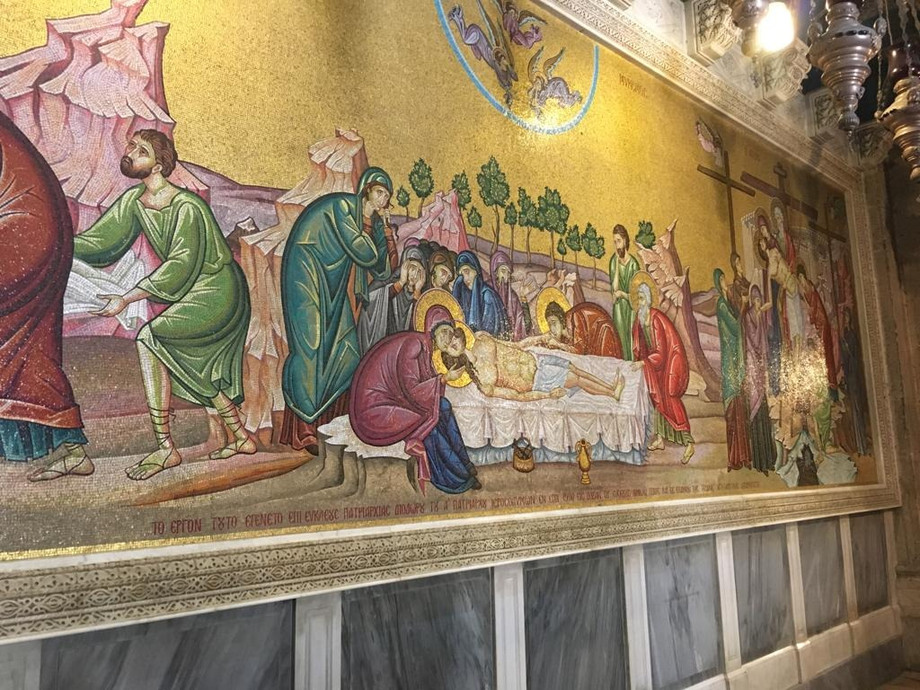
Visitors may also encounter religious artwork, icons, architectural details, and devotional objects that tell stories of Cana through different Christian traditions. These elements provide another way to appreciate how the village's biblical heritage has been preserved and interpreted over generations.
Why Cana Matters to Christian Pilgrims
For many pilgrims, Cana represents the beginning of something important. The miracle traditionally associated with the village marks the beginning of Jesus' signs in John's Gospel, making the destination particularly significant in Christian spirituality.
The site also has a strong connection with marriage. Couples visiting Cana often see the journey as an opportunity to celebrate their relationship, remember their wedding vows, or ask for blessings for their future together.
Families and individual travelers can find meaning here as well. Some come because of a lifelong interest in the Bible, while others are drawn by the opportunity to stand in a place connected with an important Gospel narrative.
Exploring the Village Beyond Its Religious Sites
Although Cana is best known for its Christian heritage, the village should not be viewed only as a collection of religious landmarks. It is also a living community with its own local character and traditions.
Travelers who take time to observe their surroundings can gain a broader appreciation for life in Galilee. Local streets, homes, shops, and everyday interactions reveal a side of the region that cannot be captured by visiting monuments alone.
A thoughtful visit can therefore combine spiritual reflection with cultural discovery. Rather than rushing from one attraction to another, travelers can slow down, appreciate the atmosphere, and consider how ancient traditions continue to influence modern communities.
Cana as Part of a Holy Land Journey
Cana is especially rewarding when incorporated into a wider Holy Land itinerary. Its proximity to Nazareth makes it a natural stop for travelers following the story of Jesus through Galilee.
A pilgrimage might connect Cana with Nazareth and other locations associated with Jesus' ministry. Each destination contributes a different part of the broader biblical narrative. Together, they create a journey through landscapes where scripture, history, and living traditions intersect.
For first-time visitors, having a thoughtful itinerary can make the experience more meaningful. Allowing sufficient time for prayer, reflection, historical exploration, and cultural experiences can transform a simple tour into a deeply memorable pilgrimage.
Tips for Making Your Visit Meaningful
Visitors can enhance their experience by learning about the biblical account of Cana before arriving. Reading the relevant Gospel passage can provide useful context and help travelers recognize why particular places and traditions are important.
Comfortable clothing and footwear are also helpful when exploring religious sites and walking through the village. Visitors should be respectful of local customs and religious practices, particularly when entering churches or participating in ceremonies.
Most importantly, travelers should leave room for reflection. Cana's significance is not simply found in its buildings or historical associations. For believers, its deepest value lies in the spiritual meaning attached to the biblical story.
A Memorable Destination of Faith and Tradition
Kafr Kanna remains an intriguing destination for anyone interested in the Christian heritage of the Holy Land. Its connection with Cana, the wedding miracle, and the beginning of Jesus' signs gives the village a distinctive place within Christian pilgrimage.
At the same time, the destination offers more than a connection to a single biblical event. Its churches, local traditions, Galilean setting, and living community create an experience where ancient stories meet the present day. Whether traveling as a couple, family, church group, or individual pilgrim, visitors can discover something meaningful in its peaceful surroundings.
A carefully planned visit through holylandviptours.net can help travelers incorporate Cana into a broader Holy Land experience while exploring the biblical landscapes of Galilee.


Comments
Post a Comment