Kafr Kanna Israel: A Village Where Faith Comes Alive
Tucked among the scenic landscapes of northern Israel, Kafr Kanna is a small village with an extraordinary place in Christian tradition. Known in the New Testament as Cana of Galilee, it is closely associated with one of the most memorable miracles attributed to Jesus: the transformation of water into wine at a wedding celebration. For pilgrims, history enthusiasts, and travelers interested in biblical heritage, Kafr Kanna Israel offers an opportunity to experience a destination where ancient stories and living traditions meet.
The village is located in the Galilee region, not far from Nazareth. Its peaceful atmosphere makes it an appealing stop for travelers exploring the religious and historical sites of northern Israel. Walking through its streets can feel very different from visiting a large tourist attraction. Here, the spiritual significance of the area is woven into the local environment, historic churches, and traditions that have developed over centuries.
The Biblical Connection to Cana of Galilee
The importance of Kafr Kanna comes primarily from its connection with Cana of Galilee. According to the Gospel of John, Jesus attended a wedding in Cana with His mother and His disciples. During the celebration, the wine ran out. Jesus instructed servants to fill stone jars with water, and the water was miraculously transformed into wine.
This account is traditionally regarded as the first sign or miracle of Jesus recorded in the Gospel of John. Beyond the miracle itself, the story carries themes of faith, abundance, celebration, and divine revelation. For Christian pilgrims, visiting the traditional site of Cana can therefore become much more than ordinary sightseeing.
The story also gives the village a special connection to Christian marriage traditions. Couples and families visiting the region sometimes reflect on the wedding at Cana as a symbol of commitment, blessing, and joy.
Visiting the Churches of Cana
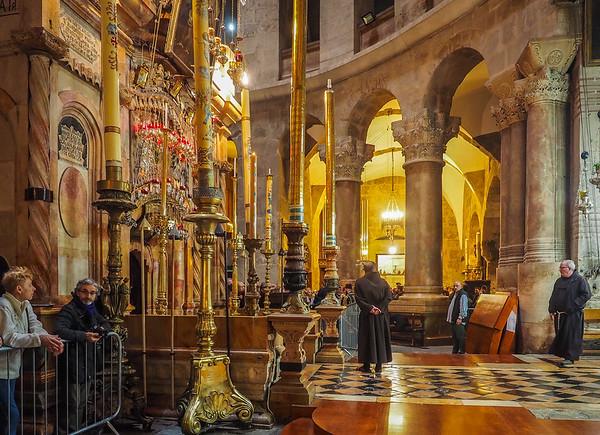
One of the most recognizable attractions in the village is the church traditionally associated with the Wedding at Cana. The site has long welcomed pilgrims who come to remember the biblical account and reflect upon its meaning.
The church environment provides a quiet setting for prayer and contemplation. Religious artwork, architectural details, and devotional spaces help visitors connect with the traditions surrounding Cana. Visitors may also encounter references to the biblical wedding and the miracle that has made the village famous throughout the Christian world.
Another important feature of the area is the tradition surrounding ancient stone jars. Whether visitors come primarily for religious reasons or historical curiosity, these traditions help make the experience more memorable.
When visiting a religious site, it is worth allowing time beyond simply taking photographs. Sitting quietly, observing the architecture, and reflecting on the story connected with the location can transform a short stop into a meaningful pilgrimage experience.
Kafr Kanna and Christian Marriage Traditions
The Wedding at Cana has given the village an especially strong connection with Christian couples. The biblical celebration is often remembered as a powerful representation of marriage and companionship.
For this reason, some Christian visitors choose Cana as a place to renew their marriage vows or celebrate an anniversary. The setting can provide an emotional backdrop for couples who want to connect their personal journey with an important story from Christian Scripture.
Even travelers who are not participating in a formal ceremony can appreciate the symbolism. The story of Cana emphasizes hospitality, celebration, and the importance of community—ideas that remain meaningful across cultures and generations.
Exploring the Surrounding Galilee Region
A visit to Kafr Kanna Israel can also become part of a broader exploration of Galilee. Northern Israel is rich in biblical, cultural, and historical destinations, making it possible to create an itinerary that combines several important locations.
Nearby Nazareth holds tremendous significance in Christian tradition as the town associated with the early life of Jesus. Travelers may also explore other sites connected with the ministry of Jesus around the Sea of Galilee.
Combining these destinations allows visitors to understand the geographical setting behind many familiar biblical narratives. Instead of encountering individual stories in isolation, travelers can begin to appreciate the landscapes, communities, and routes that shaped the historical world of the New Testament.
Experiencing the Village Beyond Its Famous Story
Although Cana's biblical connection is its greatest attraction, the village is more than a single historical event. Visitors can observe elements of contemporary local life while exploring a place with a long and layered past.
The surrounding Galilean scenery adds another dimension to the experience. Rolling hills, open landscapes, and the distinctive atmosphere of northern Israel create a peaceful setting for travelers. Moving at a relaxed pace can help visitors appreciate details that might otherwise be missed.
For those interested in photography, religious architecture, cultural experiences, and heritage travel, the village offers a variety of subjects. However, respectful behavior is particularly important because churches and other religious locations remain active places of worship.
Planning a Meaningful Pilgrimage to Cana
A thoughtful visit begins with understanding what makes the destination significant. Reading the biblical account of the Wedding at Cana before arriving can make the experience considerably more engaging. Visitors can then recognize the connection between the Scripture they know and the traditions associated with the location.
Comfortable walking shoes are useful because exploring historic areas often involves walking. Modest clothing is also recommended when visiting churches and religious locations. Travelers should check current opening hours and any visitor requirements before arriving, especially if they hope to attend a service or participate in a religious ceremony.
It can also be valuable to leave some flexibility in the itinerary. Pilgrimage is not always about rushing from one landmark to another. Allowing a few quiet moments for reflection can make a visit more personal and memorable.
Why Cana Remains Important Today
The enduring appeal of Cana comes from the combination of biblical tradition, cultural heritage, and spiritual meaning. The Wedding at Cana is a story that has been retold for centuries, yet its themes remain remarkably accessible.
For some visitors, the destination is primarily a place of faith. For others, it represents an opportunity to explore biblical history and understand the landscapes of the New Testament. Couples may appreciate its association with marriage, while families and individual travelers may value its peaceful atmosphere.
This diversity of meaning is one reason the destination continues to attract visitors from around the world. Each traveler can approach the village with a different question, expectation, or personal connection.
Conclusion
A journey through Cana offers a chance to step into a landscape shaped by one of Christianity's most cherished stories. From its connection with the Wedding at Cana to its historic churches and peaceful Galilean surroundings, the village invites visitors to slow down and reflect on the deeper meaning of their journey. For travelers seeking a carefully planned and spiritually enriching experience of the Holy Land, holylandviptours.net can help turn visits to significant biblical destinations into memorable pilgrimage experiences. Ultimately, Cana is not simply a place to see—it is a place to remember, contemplate, and experience the enduring power of faith and tradition.


Comments
Post a Comment