Explore Israel’s Sacred Mountains and Historic Royal Heritage
Israel is a remarkable destination where ancient history, biblical traditions, and spiritual experiences come together. From peaceful mountain landscapes to historic sites in the heart of Jerusalem, the country offers travelers countless opportunities to explore the stories that have shaped Christianity and the wider biblical world. Every destination reveals a different part of the region’s heritage, making a journey through Israel both educational and deeply meaningful.
Among the notable places to explore are Mount Tabor in the Galilee region and the traditional site associated with King David’s Tomb in Jerusalem. Although these destinations represent different periods and traditions, both provide valuable insights into biblical history. Visiting them allows travelers to appreciate the diversity of Israel’s sacred geography while discovering the cultural significance of its historic landmarks.
Mt Tabor Israel: A Mountain Rich in Biblical Tradition
Located in the Lower Galilee region, mt tabor israel is one of the most recognizable mountains in the Holy Land. Its distinctive rounded shape rises above the surrounding countryside, creating a striking natural landmark with deep religious associations. For centuries, Christian pilgrims have connected Mount Tabor with the biblical account of the Transfiguration of Jesus.
The Gospels describe how Jesus took Peter, James, and John to a high mountain, where His appearance was transformed before them. Although the biblical accounts do not explicitly identify the mountain by name, Mount Tabor has traditionally been honored as the location of this important event. This association has made it a meaningful destination for Christian visitors seeking to understand the spiritual message of the Transfiguration.
Beyond its religious importance, the mountain offers impressive views of the surrounding valleys, agricultural landscapes, and distant hills. Its peaceful atmosphere provides an opportunity to step away from busy cities and reflect on the relationship between faith, nature, and history.
Visiting the Church of the Transfiguration
One of the main attractions on Mount Tabor is the Church of the Transfiguration, situated near the summit. The church is associated with the traditional location of the Transfiguration and welcomes visitors interested in Christian heritage and sacred architecture.
Its design and setting create a memorable experience for pilgrims. Visitors can admire the architectural details, appreciate the religious atmosphere, and spend time in personal prayer or quiet reflection. The elevated location also offers beautiful views of the Galilee countryside, adding a natural dimension to the visit.
For Christian travelers, this destination can be more than a sightseeing stop. Reading the relevant Gospel passages before arriving can help visitors connect the landscape with the biblical narrative. Group leaders may also organize short reflections about the significance of the Transfiguration and its themes of faith, revelation, and spiritual transformation.
Visitors should check current access arrangements and opening hours before traveling, particularly when visiting with a large group or during religious holidays.
King David Tomb in Jerusalem: Exploring an Ancient Tradition
Jerusalem holds a central place in biblical history, and its historic neighborhoods contain sites that have attracted pilgrims for generations. The king david tomb in jerusalem is traditionally associated with the burial place of King David, the biblical ruler remembered for his leadership, his connection with Jerusalem, and his significance in Jewish and Christian traditions.
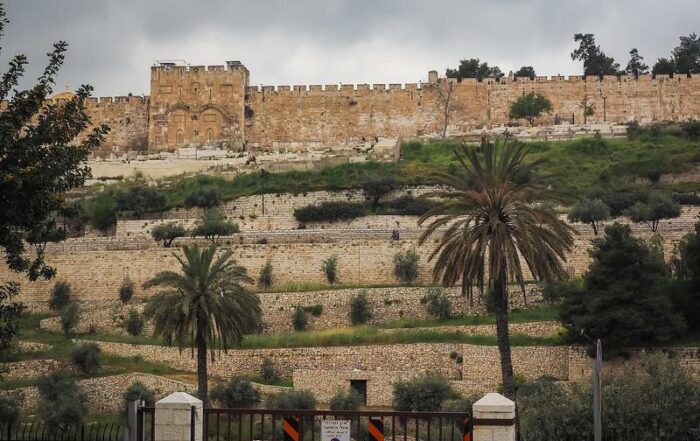
The traditional tomb site is located on Mount Zion, an area with a rich religious and historical identity. The site is important to many Jewish visitors and is also visited by Christian pilgrims exploring the broader biblical heritage of Jerusalem.
King David occupies a significant position in the biblical narrative. Remembered as a shepherd who became king, he is associated with the establishment of Jerusalem as his capital and with the royal lineage central to many biblical accounts. In Christian tradition, David is also closely connected with the ancestry of Jesus, making his story relevant to the study of the Old and New Testaments.
It is important to distinguish religious tradition from archaeological certainty. Although the site is traditionally identified as King David’s Tomb, its precise historical identification remains a matter of scholarly debate. Understanding this distinction allows travelers to appreciate both the site's spiritual importance and the complexities of Jerusalem's ancient history.
Discovering Mount Zion and Its Historic Surroundings
A visit to the traditional tomb site can be combined with an exploration of Mount Zion, one of Jerusalem’s most historically significant areas. Its religious landmarks and long-standing traditions offer visitors an opportunity to learn about the many communities that have shaped the city.
The area is especially meaningful for travelers interested in biblical figures, sacred places, and the historical development of Jerusalem. Exploring Mount Zion can encourage visitors to consider the connections between the ancient Israelite kingdom, the city's later religious traditions, and its continuing importance to people around the world.
Because Jerusalem contains sites sacred to several faiths, respectful behavior is essential. Visitors should follow local guidance, observe any dress requirements, and remain considerate of people who are praying or participating in religious activities.
Combining Mount Zion with other important locations in Jerusalem can provide a fuller understanding of the city's spiritual heritage. Depending on the itinerary, travelers may also explore the Old City, historic churches, and locations associated with important events in the life of Jesus.
Connecting Galilee and Jerusalem Through Biblical Travel
Mount Tabor and Jerusalem offer different but complementary perspectives on biblical history. Mount Tabor connects travelers with the landscape of Galilee and the Christian tradition of the Transfiguration, while Mount Zion provides a setting for exploring the legacy of King David and Jerusalem’s ancient identity.
Including both destinations in one itinerary allows visitors to experience the variety of Israel’s geography and religious heritage. Travelers can move from the open landscapes of the Galilee region to the historic streets of Jerusalem, discovering how different places are connected through centuries of religious storytelling and tradition.
A well-organized itinerary should allow enough time at each destination for sightseeing, learning, and reflection. Comfortable walking shoes, suitable clothing, drinking water, and advance checks of site accessibility can help make the experience more enjoyable.
Travelers should also consider current travel advisories and local conditions when arranging transportation between regions. Flexibility is particularly useful when planning visits to religious landmarks, where access arrangements may change.
Tips for Planning a Meaningful Holy Land Journey
Preparation can make a pilgrimage more rewarding. Before departure, travelers can read biblical passages connected with King David, Jerusalem, and the Transfiguration. This background helps create a stronger connection between the historical locations and the stories associated with them.
Families, church groups, and individual pilgrims may benefit from knowledgeable guides who can explain historical context, religious traditions, and the significance of each destination. Allowing time for questions and quiet reflection can make visits more engaging than simply moving from one attraction to another.
It is also wise to confirm opening hours, transportation options, accessibility requirements, and any applicable entry arrangements before finalizing the itinerary. Travelers should respect local customs and remember that many historic religious sites continue to serve active worshipping communities.
Conclusion: Experience Israel’s Enduring Biblical Heritage
From the scenic heights of Mount Tabor to the historic surroundings of Mount Zion, Israel offers a fascinating journey through sacred landscapes and biblical traditions. These destinations provide opportunities to explore the stories of Jesus, reflect on the legacy of King David, and develop a deeper appreciation of the region’s spiritual and cultural heritage.
For travelers planning a personalized Holy Land experience, holylandviptours.net can be explored as a resource for researching guided tours and pilgrimage arrangements. With thoughtful preparation, suitable guidance, and time to appreciate each destination, a journey through Israel can become a memorable experience filled with discovery, reflection, and a lasting connection to biblical history.


Comments
Post a Comment