Christian Holy Land Tour Planning With a Private Guide
A private guide earns the planning time when your group has a short list of meaningful stops and little patience for a bus schedule. For a christian holy land tour, name the places you care about most before building a day around drive time, walking, and the pace your group can manage. A packed itinerary looks tidy onscreen. On the ground, you may remember the minibus more than Jerusalem.
Set the priorities first
Send your guide your travel dates, hotel location, group size, and the two or three places nobody wants to miss. A long wish list without priorities can turn into a route that tries to do everything, then gives each stop too little time. Holy Land VIP Tours describes its tours as personalized and offers VIP minibus transport, so ask how the proposed route and vehicle fit your group instead of assuming each day follows one pattern.
Jerusalem often deserves a day with room to breathe. The Old City means walking through narrow lanes between sites, and visits can stretch if your group wants time for prayer or discussion. Pairing Jerusalem with Bethlehem may suit your schedule, but confirm the route and arrangements before treating the second stop as a quick add-on. Travel conditions and access can change.
• Keep the one or two nonnegotiable sites at the center of the plan.
• With young children, fewer stops and a proper meal break may beat a longer checklist.
• Tell the guide if a church visit needs time for prayer, not just a quick photo.
• Ask what gets cut if an early stop runs long.
That last question earns its place. A schedule with no fallback tends to turn one slow visit into a rushed afternoon. Better to know which stop can move or drop than to debate it curbside while the next destination waits.
Plan for the visit, not just the drive
Map distance doesn’t show how tiring a day will feel. Ask about stairs, walking surfaces, drop-off points, and the distance from parking to the entrance. That matters for older travelers or anyone with limited mobility. Private transport gives you more say over the day’s rhythm, but it can’t remove uneven ground or steps at historic sites.
At the Mount of Beatitudes, some visitors may want a quiet stretch to reflect on the Sermon on the Mount. Others may prefer a brief stop. Either pace can work, provided the guide knows beforehand. Jerusalem brings the same divide: one traveler wants to linger in a church, while another is watching the clock. Agree on a pace before the tour, not halfway through it.
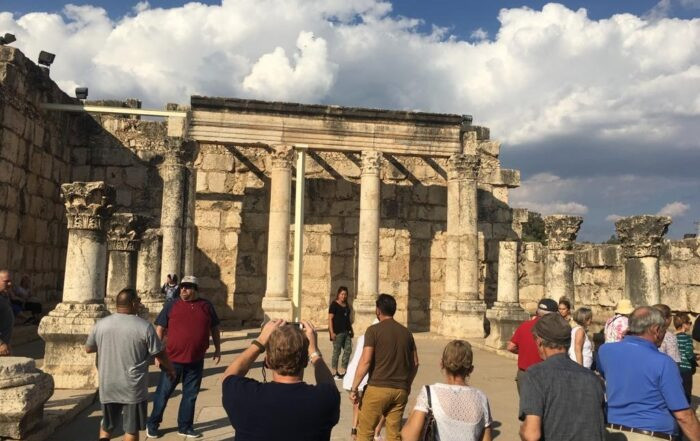
A northern Israel itinerary might combine the Wedding Church in Kafr Kanna with the Mount of Beatitudes. Adding beit she'an Israel makes for a more ambitious day, so ask what would need to come off the route to leave time at each place. Nearby on a map doesn’t always mean easy in practice. Check visiting arrangements for your dates, too, rather than counting on a church being open when you arrive.
Build slack into the schedule. If the plan only works when every visit ends on time, it’s brittle. Ask for approximate departure and return times, then check that there’s room to eat, use the restroom, and accommodate a slower walker. A family traveling with grandparents, for example, may get more from three stops with comfortable pauses than five rushed ones.
Read the quote beyond the total
Private tour pricing depends on the booking details. The number of days, route length, group size, vehicle needs, guide service, and any separately charged entrance fees or meals may affect the total. Ask for a quote based on your actual itinerary, with inclusions and exclusions spelled out. Two headline prices aren’t comparable if one leaves out costs the other includes.
A couple booking one day in Jerusalem has a different plan from a family booking several days across Israel and Palestine. The latter may need more driving, a larger vehicle, or extra time at particular sites. Share those details early. Late changes can affect the route, visiting time, and sometimes the transport arrangement.
Don’t judge a quote by the lowest number alone. If one proposal fits in more stops, ask how long you’ll spend at each. A slower day may suit travelers who want meaningful time at biblical sites; an energetic group with a tight schedule may prefer a fuller route. The price only makes sense beside the day it buys.
Give your guide a useful brief
“We want to see the churches” leaves plenty to guess. Try: “We’d like a slower morning in Jerusalem, time to pray, and no long walking stretches.” Add mobility needs, children’s ages, hotel location, and fixed dates. A guide can work with specifics. Vague preferences often produce a plan that suits nobody especially well.
Mixed groups should settle their shared priorities before the tour. One person may want biblical history, another archaeology, while someone else needs regular rests. Ask for proposed stops and rough timing in writing. Treat that schedule as a planning tool, not a promise: traffic, access, and visit length can shift the day. A written route still makes an overstuffed plan easier to spot.
Conclusion
Send your dates, group details, and top priorities before booking. Ask what the plan leaves out, then start the conversation at holylandviptours.net.


Comments
Post a Comment